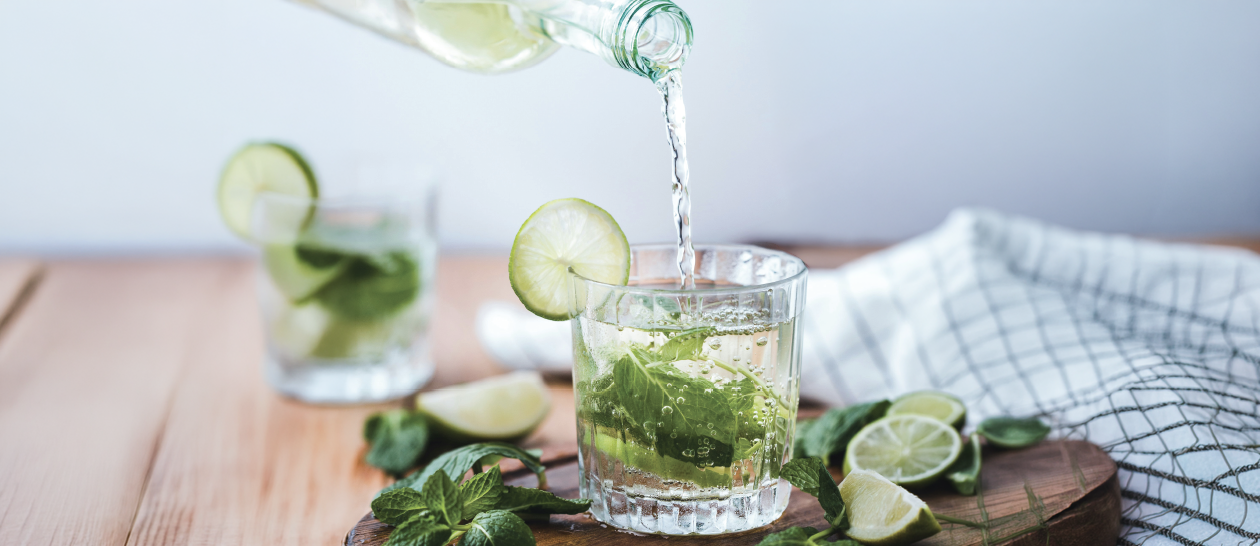
Building a Self-Care Routine from the Inside Out
CHLOE POWELL explores how daily hydration supports the body’s natural balance and well-being, offering practical ways to build simple, sustainable self-care habits.
Every successful self-care journey begins with a single, foundational step. While many focus on managing stress or improving fitness, the most powerful starting point is often overlooked: hydration. Water is the fuel for your body's most critical functions, impacting everything from your energy levels and mood to your skin's complexion. By choosing to build a self-care routine around this essential element, you are taking control of your well-being in the most direct way possible. Here’s how you can start this transformative journey.
The Importance of Hydration
Water is an integral part of the human body. In fact, it makes up about sixty percent of the body on average.1 The exact number can change depending on age and hydration levels. For instance, you can release water through perspiration, especially in warmer climates or when exercising.
Unfortunately, it is said that 75% of Americans face chronic dehydration and struggle with rehydration.2 It’s critical to replenish this resource in your body, as it’s responsible for protecting the spinal cord and lubricating the joints. It also helps remove toxins through urination.
The Benefits of Staying Hydrated
Staying hydrated has a host of benefits, from improving energy levels to supporting weight loss. Making this simple change is a powerful act of self-care that can create positive change across all aspects of your well-being.
Staying hydrated has a host of benefits, from improving
energy levels to supporting weight loss. Making this
simple change is a powerful act of self-care that can
create positive change across all aspects of your well-being.
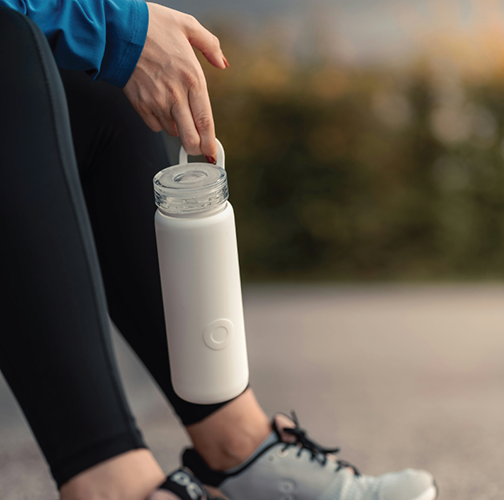
Improved Energy Levels
If you’re ever feeling groggy, dehydration could be the culprit. Even mild dehydration can impact your brain's function, leading to fatigue and a lack of focus. Staying hydrated is key to maintaining energy levels throughout the day.3 It can even address problems like indigestion and bloating that can make you feel sick.
Increased Mindfulness
Hydrating typically requires a little awareness. You need to recognize your thirst and make time in your day to rehydrate intentionally. By creating a self-care routine around it, you can practice more mindfulness.
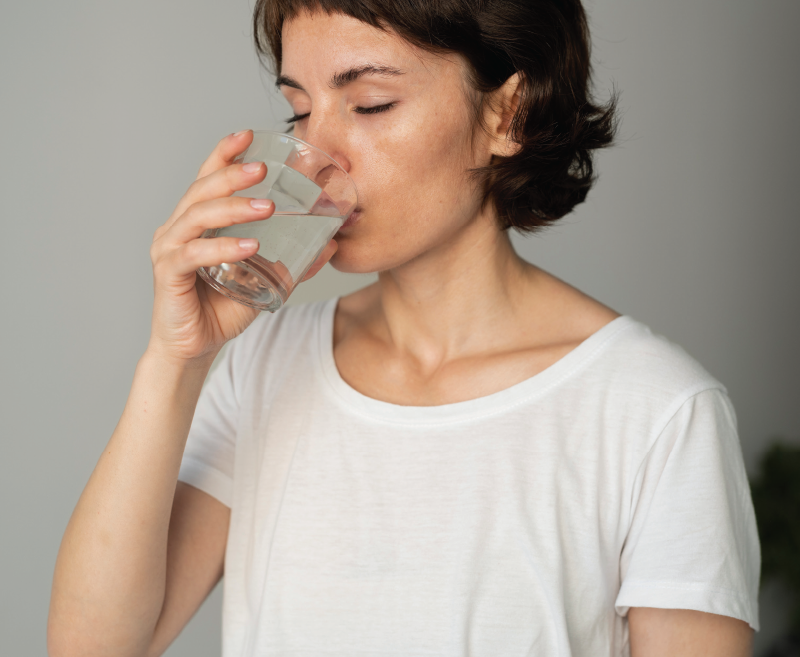
The next time you get a glass of water, pay attention to the sensory details, like the cool glass in your hand, the sound of the water pouring, and the sensation of it quenching your thirst. For those few seconds, focus only on the act of drinking. This simple practice pulls you out of stressful thought loops and anchors you firmly in the present moment, acting as a small reset button for your mind.
Optimized Physical Performance
With better energy levels from hydration, you’ll find yourself much more recharged to engage in exercise or other activities. A clear mind can also contribute to a sharper and more precise movement, which is ideal when you’re trying to avoid injuries.
Supported Weight Loss
Water can be a powerful tool for weight loss. Drinking it right before meals is associated with reduced appetite, and there’s also evidence that swapping high-calorie beverages for regular water can help with weight loss.4
Enhanced Complexion
Hydration is most impactful on your internal system, but there are signs that it’s also working on the outside. Since water helps flush out toxins, it may help manage acne and blemishes.5 Further research is needed to confirm this, so you still need to work on adding moisture to the outer layers of your skin through other methods, such as moisturizer.
How to Create a Hydrating Self-Care Routine
Building a hydrating self-care routine requires intentional thought. Here are some steps that can help.
Drink Water Throughout the Day
Some people wait until they get thirsty to have a glass of water, but that usually means they’re already dehydrated. Ideally, you should prevent dehydration from occurring in the first place. Consider setting regular reminders on your phone to drink water. You can also keep a reusable water bottle right next to you.

Incorporate Water-Rich Food
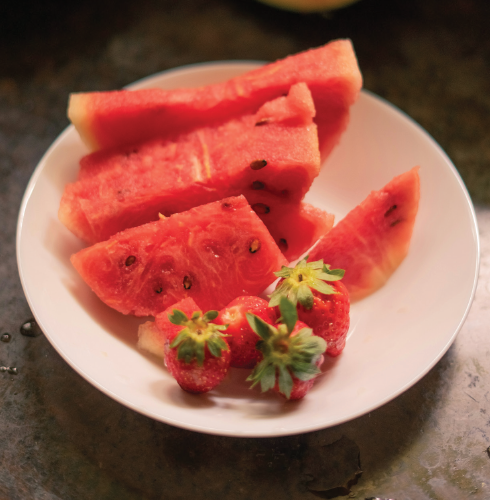
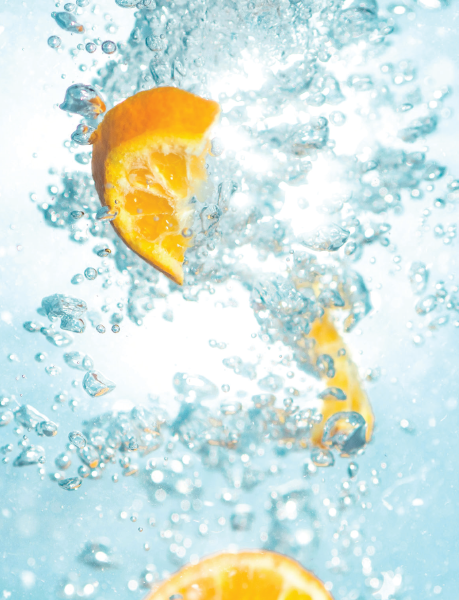
Water is the best source of hydration, but there are other ways to boost your intake. For example, watermelon and strawberries both have ninety-one percent water content, though you can also opt for other foods like cantaloupe, peaches, and oranges.6
For the best results, you can eat these water-rich foods as they are. However, you can also add them to a smoothie or mix them into other dishes to help balance sodium from other foods.
Limit Dehydrating Drinks
Improving your hydration levels can also mean steering clear of the more dehydrating options in your diet. It’s best to limit or remove caffeinated or alcoholic beverages from your rotation. You should also be wary of sugary drinks, such as sodas. If you want something to cleanse the palate, consider a naturally sweet, water-rich fruit.
Incorporate Electrolytes
Swap out dehydrating beverages for electrolyte drinks. These are great for boosting energy while improving hydration. Plus, they’re pretty easy to make at home with one-quarter to one-half teaspoon of salt per four cups of water, some citrus juice, and a little sugar or sweetener.
Avoid Hot Showers or Baths
Taking a nice hot shower can be a relaxing self-care session. However, it’s best to limit the time you spend taking them, as hot showers can break down the natural water content and barrier of your skin.7 Dryness and irritation are a pain to deal with.
The same goes for hot baths. If you do want to take some time in the bathroom, do these only occasionally and opt for warm or lukewarm water when possible.
Avoid High Temperatures
Heat, in general, isn't ideal for maintaining your hydration levels. Hot climates can make you sweat and dehydrate you. Remember to take breaks in the shade or opt to stay in a cool place. If you’re working out or doing manual labor, remember to rehydrate. Running gels are available that provide electrolyte replenishment on the go, but a sip of water is still ideal.
Hydrating typically requires a little awareness. You need
to recognize your thirst and make time in your day to
rehydrate intentionally. By creating a self-care routine
around it, you can practice more mindfulness.
Feel Refreshed Inside and Out
Staying hydrated is a simple yet effective self-care goal. Even just a few changes can make you feel so much more revitalized. Remember that consistency is more important than perfection, so be patient with yourself as you build these new habits. The ultimate goal is to create a routine that nourishes your body and makes you feel good. Pick your favorite habits from the lineup and upgrade your routine.
Read more by Chloe Powell at Revivalist Magazine: https://revivalist.com/
References:
- “What Percentage of the Human Body Is Water?” Medical News Today, https://www.medicalnewstoday.com/articles/what-percentage-of-the-human-body-is-water.
- 2 “5 Steps on How to Stay Hydrated,” Rocky Mountain IV Medics, https://rockymountainivmedics.com/5-steps-on-how-to-stay-hydrated/.
- “Refreshing Lemon Water Benefits,” Revivalist, https://revivalist.com/refreshing-lemon-water-benefits/.
- “Does Drinking Water Before Meals Really Help You Lose Weight?” Harvard Health Publishing, https://www.health.harvard.edu/blog/does-drinking-water-before-meals-really-help-you-lose-weight-202402203018.
- “Does Drinking Water Help Acne?” Healthline,
https://www.healthline.com/nutrition/does-drinking-water-help-acne. - “19 Hydrating Foods,” Healthline, https://www.healthline.com/nutrition/19-hydrating-foods.
- “Electrolyte Drink Recipe,” Utah State University Extension, https://extension.usu.edu/createbetterhealth/blog/electrolytedrinkrecipe.

Chloe Powell
Chloe Powell is the Senior Editor at Revivalist Magazine. She writes about wellness, beauty, and self-care to help readers feel their best. Through her work, she shares honest, helpful advice for living a healthier, happier life.<... Read More
