
The health of the gut affects far more than digestion. This article explores its connection to overall well-being and the everyday habits that can help support it.
BY DR. RAGHUVEER S. N
A healthy gut is one of the strongest foundations for a healthy life. Often called the “second brain,” the gut plays a vital role not only in digestion but in immunity, metabolism, mental well-being, and overall health. Let us explore how simple Ayurvedic wisdom and practical everyday habits nourish your gut, improve digestion, strengthen immunity, and help you feel healthier from within.
Many of us ignore common digestive problems such as bloating, acidity, constipation, or a feeling of heaviness after meals. These symptoms don't always indicate a serious condition, but they may signal that your digestive system needs care. The good news is that improving gut health doesn't start with expensive supplements or strict diets. It starts in your kitchen, with simple food choices and healthy daily routines that have stood the test of time.
Have you ever noticed how some people seem energetic from morning till night, while others feel tired even after a good night’s sleep? Why do some people enjoy every meal without discomfort, while others constantly complain of gas, acidity, or bloating? The answer isn't always in medicines. More often than not, it begins with digestive health.
As an Ayurvedic physician, I have repeatedly observed that many health concerns are closely linked to poor digestion. People visit wellness centers for diabetes, joint pain, obesity, skin problems, or thyroid disorders, but during the conversation, they also report long-standing digestive issues that they had almost forgotten to mention. They have simply accepted these problems as a part of life. The truth is that our gut influences almost every aspect of our health. Taking care of it is one of the greatest gifts we can give ourselves.
Feed Your Gut, Not Just Your Hunger
One of the simplest changes you can make is to eat only when you genuinely feel hungry. Constant snacking, eating out of boredom, and skipping meals only to overeat later can put unnecessary stress on the digestive system. Ayurveda encourages us to allow one meal to digest before starting the next. Your stomach also deserves time to rest.
Lunch should ideally be the largest meal of the day. Digestion is naturally stronger during the afternoon, making it easier for the body to process wholesome meals. Dinner, on the other hand, should be lighter and eaten at least two to three hours before bedtime. This simple habit alone can reduce acidity, improve sleep, and make you feel lighter the next morning.
The truth is that our gut influences almost
every aspect of our health. Taking care of it is one
of the greatest gifts we can give ourselves.
Your Kitchen Already Has Many Remedies
Good digestive health often begins with ingredients that are already present in your kitchen. A small piece of fresh ginger with a pinch of rock salt before lunch may help improve appetite for some people. After meals, chewing a teaspoon of roasted fennel seeds can freshen the mouth and support comfortable digestion.
Homemade buttermilk with roasted cumin powder, chopped coriander leaves, and a pinch of roasted rock salt is a traditional digestive drink that many Indian households have used for generations. Freshly prepared green gram khichdi [a soft rice-and-lentil dish], vegetable soups, and lightly cooked seasonal vegetables are excellent choices whenever digestion feels sluggish.
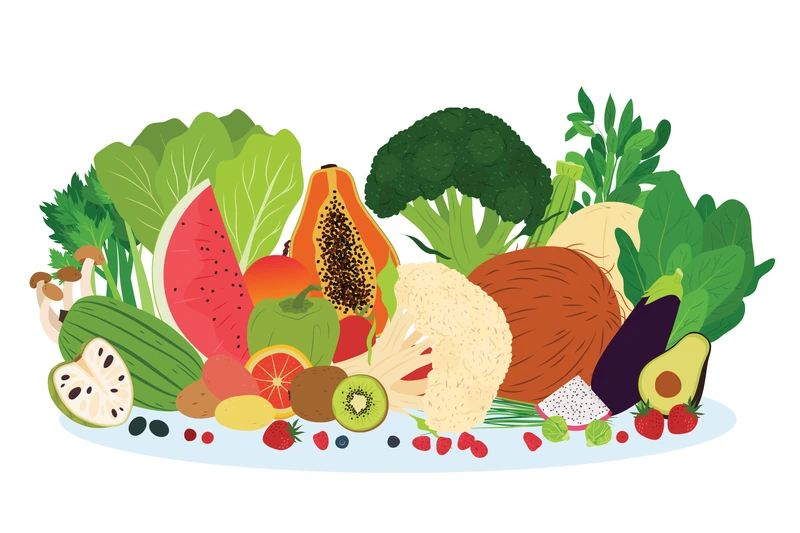
Adding small quantities of ghee to freshly cooked meals may also support digestion when used in moderation. Indian gooseberry, pomegranate, ripe papaya, and seasonal fruits can be wonderful additions to the daily diet because they provide fiber and natural nourishment for the digestive system.
Foods Your Gut Will Thank You For
Your gut enjoys fresh food much more than packaged food. Try including colorful vegetables, whole grains, fresh fruits, sprouts, soaked nuts, homemade curd (if it suits your body), fermented traditional foods, and plenty of water throughout the day.
Equally important is reducing foods that unnecessarily burden digestion. Frequent consumption of deep-fried snacks, bakery products, sugary beverages, processed foods, excessive refined flour, and repeated use of reheated oil can gradually affect digestive comfort. Eating while watching television or scrolling on your phone may also lead to overeating because your mind is distracted.
Give Your Gut a Day of Rest
Just as we enjoy taking a day off from work, our digestive system also benefits from an occasional rest. Once a week, consider choosing lighter meals such as khichdi, vegetable soup, steamed vegetables, or rice gruel instead of heavy, rich foods. This is not about fasting or depriving yourself. It is about letting your digestive system recover from the demands of everyday eating.
Eating slowly is another powerful habit that costs nothing. Chewing food well is the first step of digestion, yet it is often the most neglected. Taking 20 minutes to enjoy a meal instead of finishing it in five can make a noticeable difference over time.
Wellness Begins with Simple Choices
Lasting health comes from awareness, not shortcuts. If digestive discomfort has become part of your everyday life, it may be time to listen to what your body has been trying to say. You don't have to wait until symptoms become serious to start caring for your health. Sometimes, the journey toward better health begins with a simple conversation, a few mindful changes, and the willingness to care for yourself—one healthy habit at a time.

A Calm Mind Supports a Healthy Gut
Have you ever lost your appetite during periods of stress? Have you noticed stomach discomfort before an important interview or examination? This happens because the mind and the digestive system are constantly connected.
For this reason, gut health is not influenced only by food. Sleep, emotional well-being, and daily stress also play an important role. A few minutes of deep breathing, gentle yoga, and daily meditation can help calm the mind, which in turn supports healthier digestion. Sometimes, improving gut health begins not in the kitchen but in the mind.
The goal is not to follow a perfect diet. It is to develop a way of living your body can happily follow for years. Small habits practiced every day will always be more powerful than dramatic changes that last only a week.
FROM WELLNESS BY HEARTFULNESS
Wellness by Heartfulness offers integrative care across Ayurveda and naturopathy, Yoga, Heartfulness Meditation, and a range of complementary therapies, personalized by qualified physicians and healers.
wellnessbyheartfulness.com


Raghuveer S.N.
Dr. Raghuveer S.N. is an Ayurvedacharya and Integrative healer at Wellness by Heartfulness. With a strong foundation in Ayurveda and over a decade of Heartfulness practices, he focuses on holistic healing of b... Read More
