A Safe and Effective Approach to Asana
Knowing what we are ready for, how to prepare, and when to progress can help us approach asana practice with greater awareness and confidence.
BY BHUSHAN BHUKTE
Yoga is more popular than ever. Social media is filled with impressive postures, extraordinary flexibility, and challenging sequences. While such images may inspire us, they can also create the misconception that yoga is primarily about physical performance.
In reality, yoga is a journey of self-development. Every practitioner begins from a different point, with a unique body, mind, level of experience, and life situation. Each practitioner needs to understand their own starting point, work within their present capacity, and gradually develop their potential.
A meaningful yoga practice should leave us feeling more balanced, aware, steady, and confident, rather than exhausted, strained, or discouraged. The aim is to understand our present capacity, work with it intelligently, and expand it gradually through consistent, mindful practice.
A meaningful yoga practice
should leave us feeling
more balanced, aware, steady,
and confident.
The Purpose of Asana
Patanjali defines yoga in Yoga Sutra 1.2 as yogash chitta vritti nirodhah, the cessation of all the modifications of the mind in the field of consciousness. Asana, or posture, is one limb of that path, and its purpose is narrower and more practical: to develop the steadiness and ease of body and mind through which that stillness becomes possible.
In Patanjali’s Ashtanga Yoga system, asana's purpose extends beyond physical fitness and health. It helps stabilize the mind and deepen our awareness of it, allowing it to settle into a clear, balanced state from which deeper practice can begin.
Asana, or posture, is one limb of that path, and its
purpose is narrower and more practical: to
develop the steadiness and ease of body and
mind through which that stillness becomes
possible.
Whenever the form of a posture starts to feel like the most important thing, remember this: each posture is practice for stillness.
The Golden Rule: Practice What You Are Ready For
One common mistake beginners make is imitating advanced practitioners. Every practice has a natural progression, and each body adapts at its own pace. What works for one person may not work for another.
Yoga practice should be adapted to the individual, not the individual forced to fit the practice.
When deciding whether to practice a particular posture, ask:
- Can I maintain stable alignment and breathing?
- Can I remain relaxed and attentive?
- Can I practice without pain or unnecessary strain?
- Is this posture appropriate for my current capacity and experience level?
- Can I maintain awareness throughout the practice?
These questions shift the focus from performance to readiness.
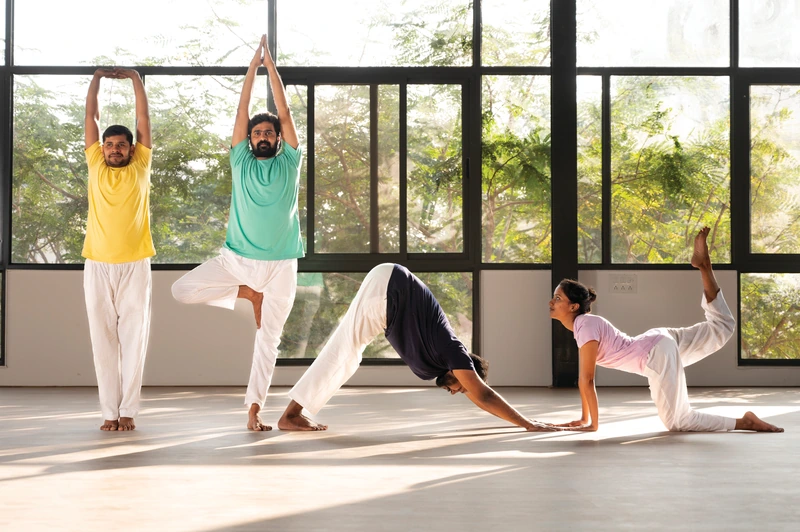
Physical ability alone does not determine readiness for a posture. Readiness involves more than flexibility or strength. It includes our breathing pattern, stability, coordination, awareness, concentration, and the ability to practice without excessive effort or fear.
A posture may look simple, but preparing to practice it safely may take time. Preparation is part of the practice. Progress comes from developing the foundations needed for the next stage.
Observation Before Practice
Learning begins with observation.
Before attempting a practice, understand what it requires, how to perform it, and whether it fits your current capacity.
Observe first. Understand next. Practice thereafter.
During practice, observation gradually becomes self-awareness. The practitioner begins to notice:
- How does my body feel?
- How is my breathing?
- Am I stable and comfortable?
- What level of effort am I using?
- What is happening in my mind?
- Am I practicing with awareness or simply following instructions?
This process helps us recognize when to maintain or modify a posture, or when to come out of it. It also develops the ability to make appropriate choices rather than depending entirely on external instruction.
Safety Comes First
Yoga should never become a competition—with others or with oneself. The goal is to practice in a way that supports health, awareness, and steady development.
Before and During Practice
- Prepare the body gradually.
- Enter and come out of postures with control.
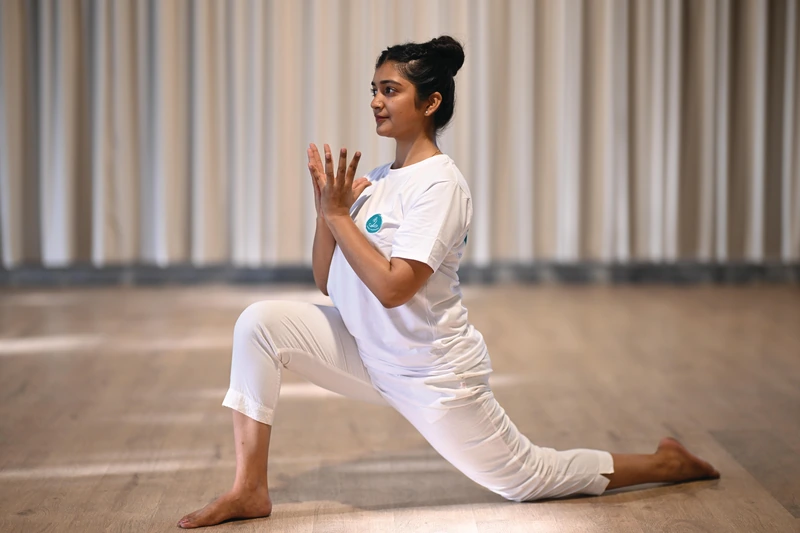
- Never force a stretch or push beyond a comfortable range of movement.
- Distinguish between normal effort and pain.
- Treat pain, dizziness, breathlessness, or unusual discomfort as signals to pause or stop and reassess.
- Coordinate movement with breathing wherever appropriate.
- Use modifications when required.
- Respect individual limitations, previous injuries, and current physical condition.
- Avoid comparing your practice with another person’s practice.
- Seek qualified guidance when a practice is unfamiliar or beyond your current experience.
- Allow adequate recovery rather than assuming that more practice always means better progress.
A useful principle to hold onto: Do what you are ready for, prepare for what you are not yet ready for, and progress gradually.
If you do not understand a practice, seek proper guidance first. Practice should follow understanding.
Yoga is closer to cultivation than to consumption: a few movements performed in full attention are worth more than many performed in haste.
A useful principle to hold onto: Do what you are
ready for, prepare for what you are not yet
ready for, and progress gradually.
The Teacher’s Role
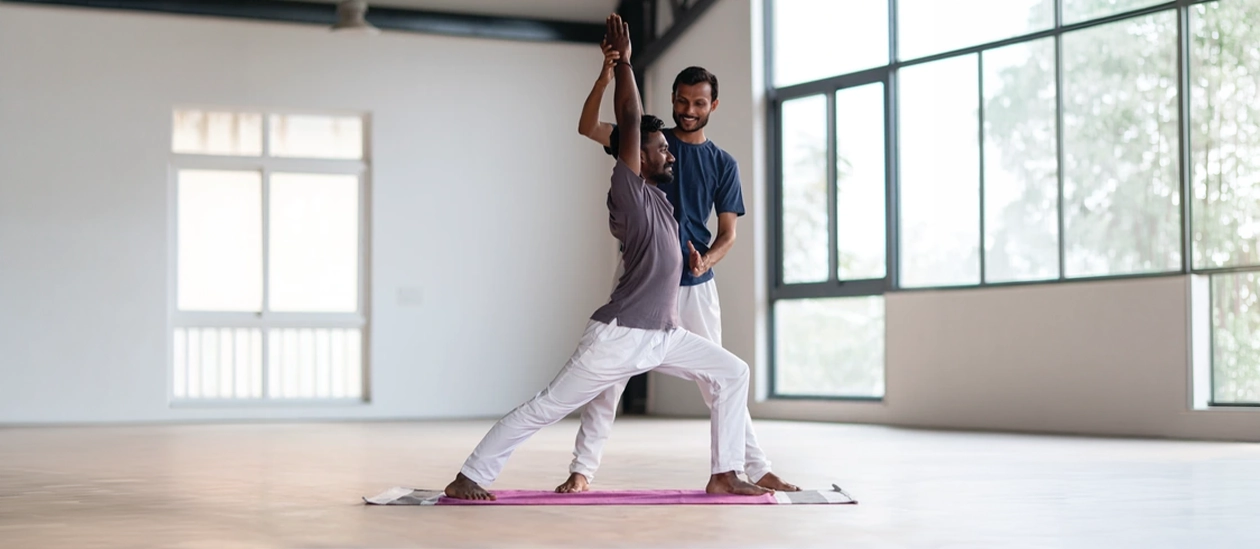
The teacher’s responsibility is to create the conditions for practitioners to learn, understand, and progress safely. Like scaffolding around a developing structure, appropriate guidance helps the practitioner develop greater stability, confidence, understanding, and independence.
The teacher’s role is to observe, guide, encourage, and empower.
A teacher observes the practitioner’s needs, provides appropriate guidance, encourages sincere effort, and gradually enables the practitioner to become more independent and confident.
The teacher provides direction and support; the practitioner develops through their own experience and practice. A teacher’s demonstration is only to help practitioners understand what they can progressively learn to do.
Good teaching should not create dependence on the teacher, but gradually develop the practitioner’s understanding, adaptability, and responsibility for their own practice.
The Path Forward
Yoga is a process of becoming more fully aware of who we already are, rather than trying to become something we are not. With proper guidance, regular practice, appropriate progression, and patient effort, yoga can support flexibility, strength, balance, relaxation, mental clarity, and inner confidence.
Remember these three principles:
- Preparation before performance.
- Understanding before practice.
- Sound method with gradual progression.
Final Reflection
Progress in yoga is not measured by the difficulty of a posture or the flexibility of the body. It is reflected in the awareness we bring to practice and, over time, to daily life—in how we think, respond, relate, and live each day.
FROM THE HEARTFULNESS YOGA ACADEMY
Heartfulness Yoga Academy offers accredited, tradition-rooted programs that integrate asanas, pranayama, and Heartfulness Meditation with Yogic Transmission for a holistic approach to yoga.

Bhushan Bhukte
Bhushan is a certified yoga teacher with over 12 years of experience. He develops Yoga Certification Board–aligned teaching materials and therapeutic yoga modules for various health conditions. At the Heartful... Read More
